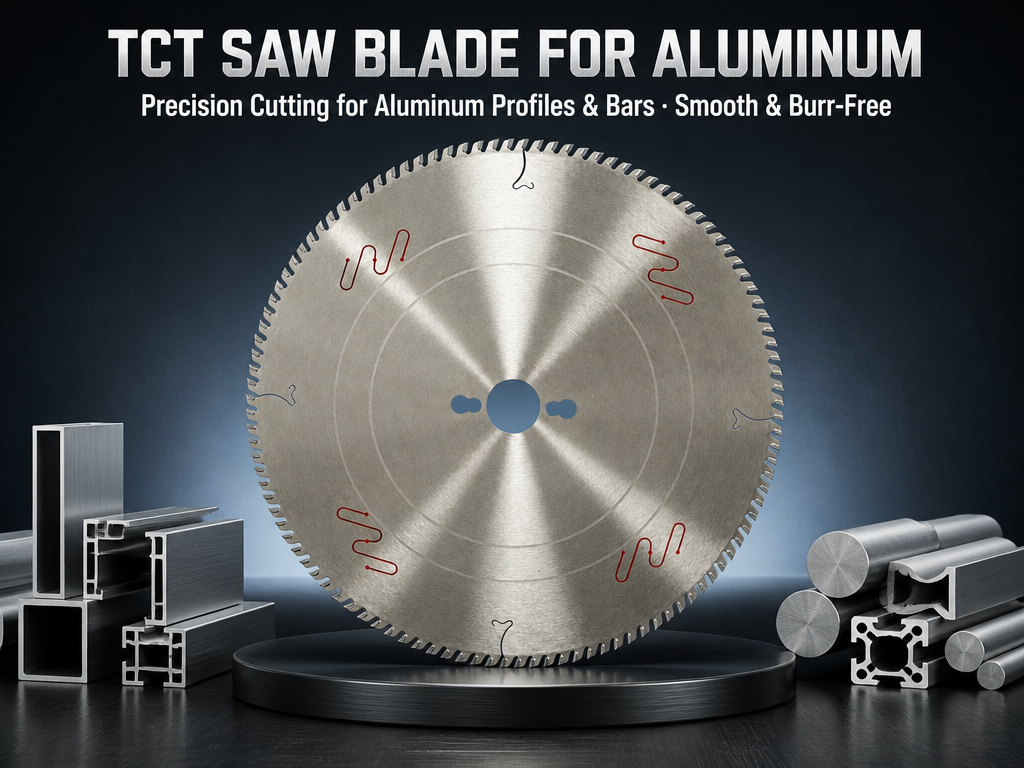
An aluminum window frame fabricator was changing blades three times per shift. Each changeover took roughly 20 minutes. After switching to Fredsaw TCT blades, the change frequency dropped to once per shift.
The math is straightforward: two fewer changeovers per shift, 40 minutes of recovered production time per day. Over a full year, that figure compounds into something that dwarfs the cost of the blades themselves.
The gap in blade service life comes down to two factors:
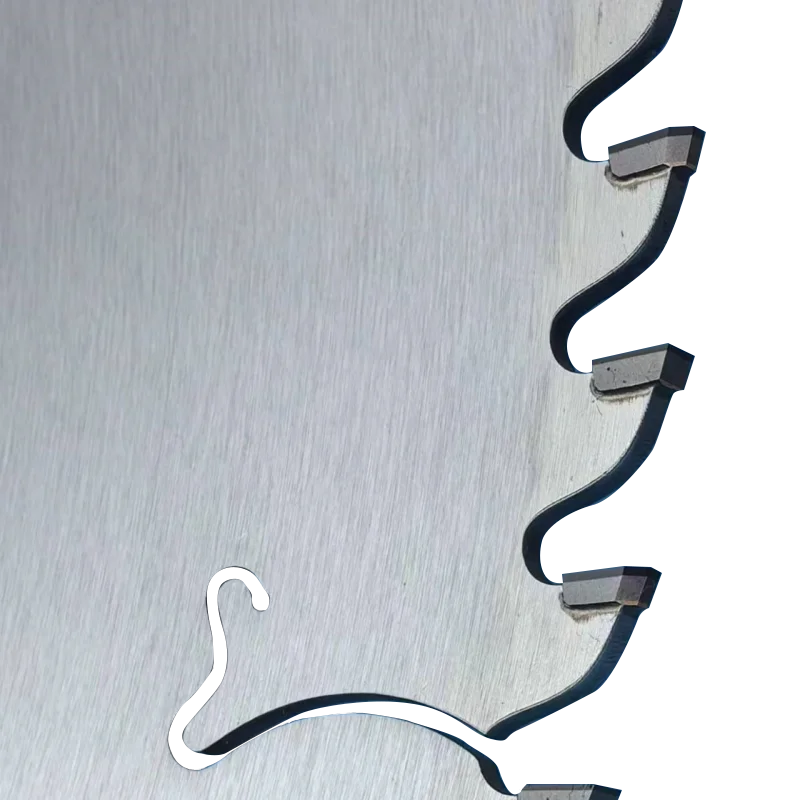
Carbide grade selection. Low-grade carbide fails quickly under the thermal cycling and adhesion conditions of aluminum cutting — edges chip or lose geometry before the blade has delivered its value. Fredsaw selects carbide grades for aluminum specifically, balancing hardness and toughness for the demands of non-ferrous cutting.
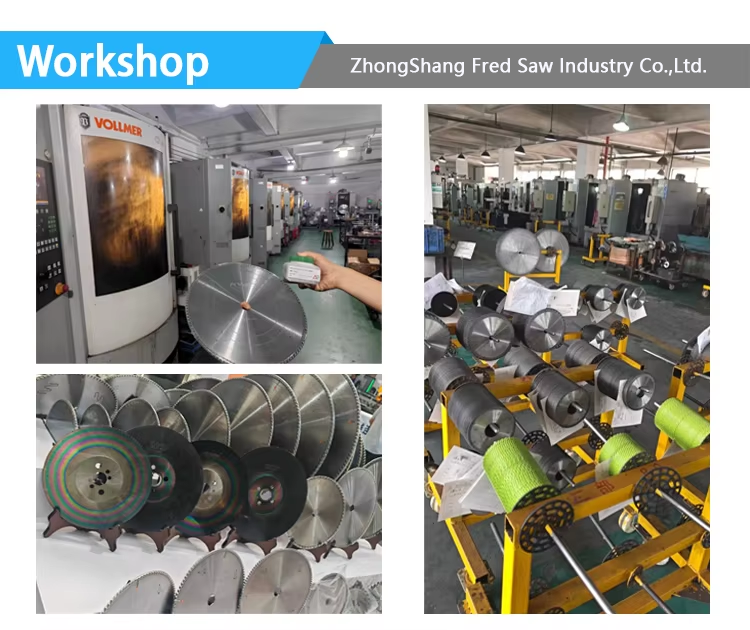
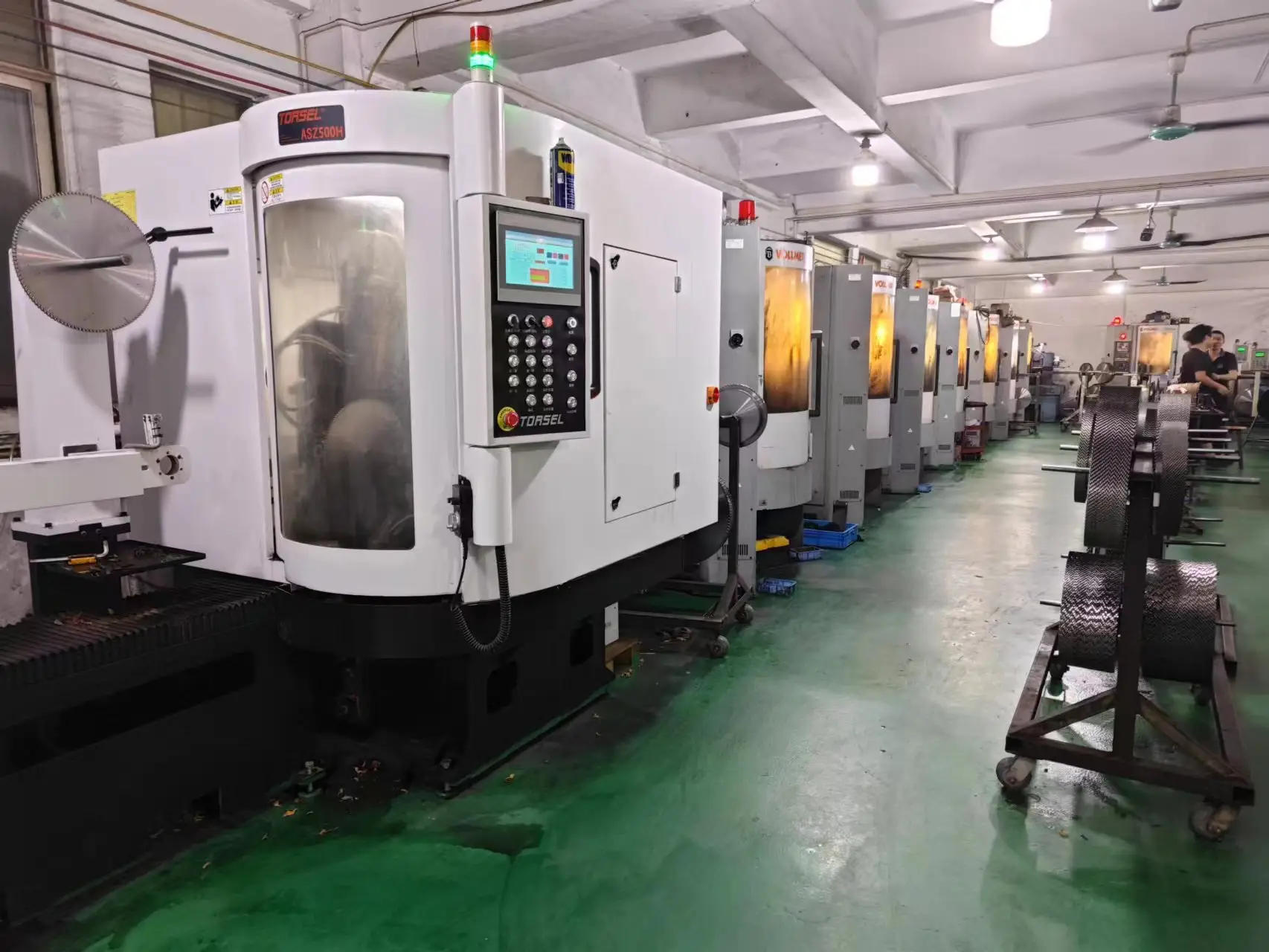
Grinding consistency. When tooth heights and angles vary across a blade, certain teeth carry disproportionate load. Those teeth wear first, and as they degrade, load redistributes further — accelerating total blade failure. Vollmer CNC grinding eliminates tooth-to-tooth variation at the manufacturing stage, so every tooth pulls equal weight throughout the blade’s service life.
30–50% longer blade life is the figure our customers report in real-world aluminum cutting applications. Not a lab result — field feedback from production lines.
Tell us your machine model, material, and current blade spec. We’ll tell you exactly what to expect.