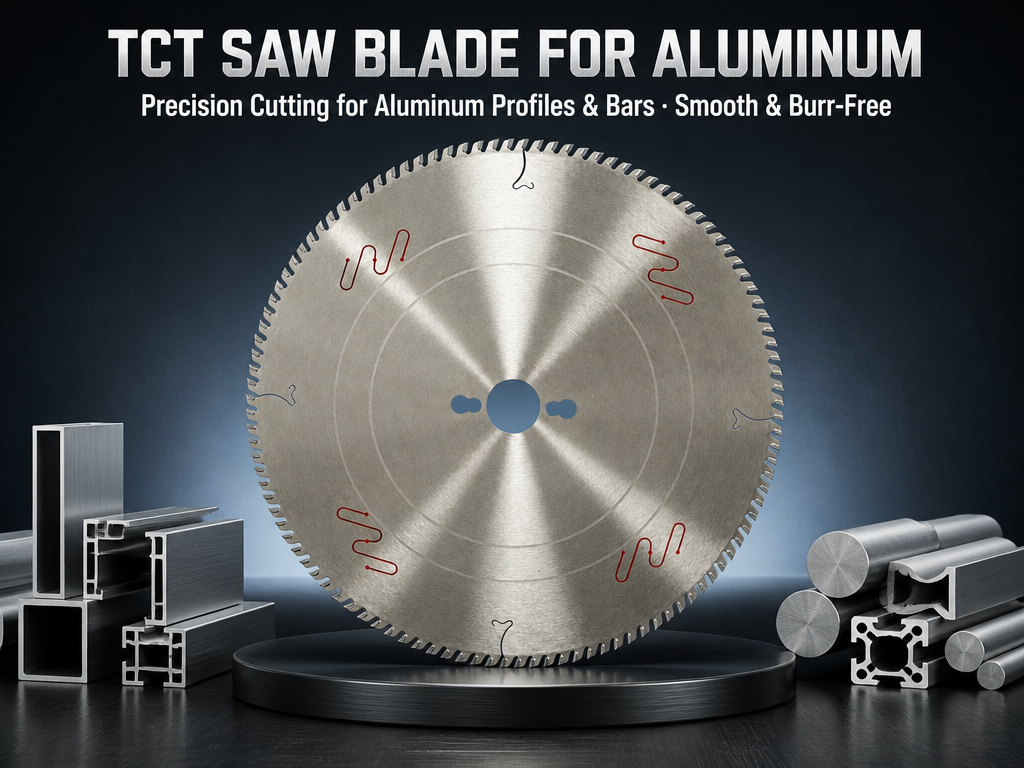
Excessive vibration during aluminum profile cutting is frequently attributed to the machine — spindle runout, fixture alignment, worn bearings. These are legitimate checkpoints. But in a significant number of cases, the blade itself is the vibration source, and the machine is absorbing a problem it didn’t create.
Two blade-side causes account for most unexplained cutting vibration:
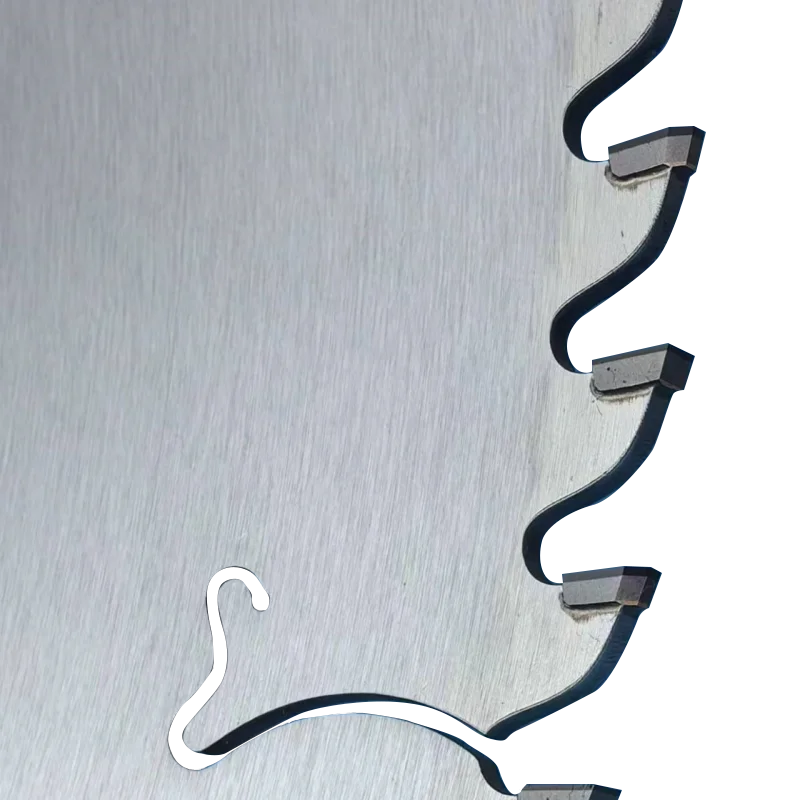
Inconsistent tooth height. When teeth across a blade vary in height or geometry, cutting load is distributed unevenly. Teeth carrying more load wear faster and introduce periodic force variation into the cut — the classic chattering signature. This is a direct consequence of inadequate grinding precision during manufacturing.
Lack of dynamic balancing. A blade with mass imbalance generates rotational vibration at operating speed. At the feed rates and spindle speeds used in aluminum extrusion cutting, even small imbalances produce measurable vibration. Many low-cost blades are not dynamically balanced before shipment.
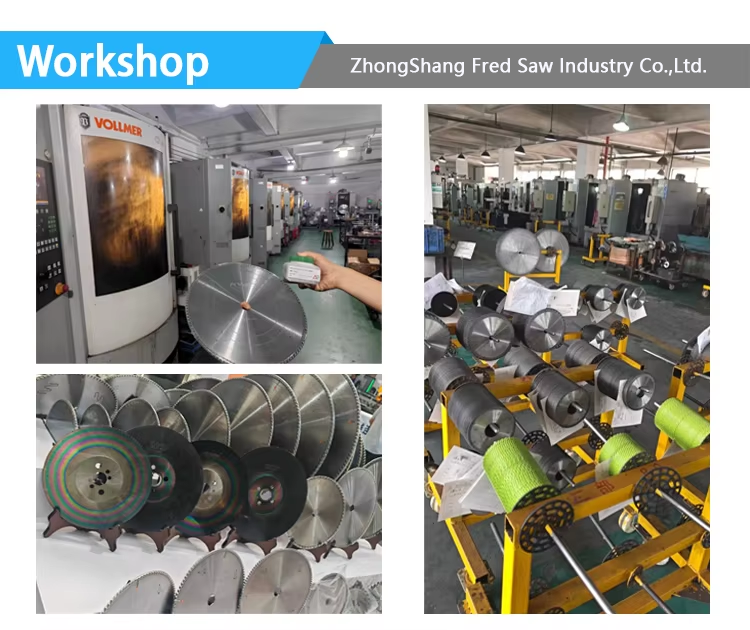
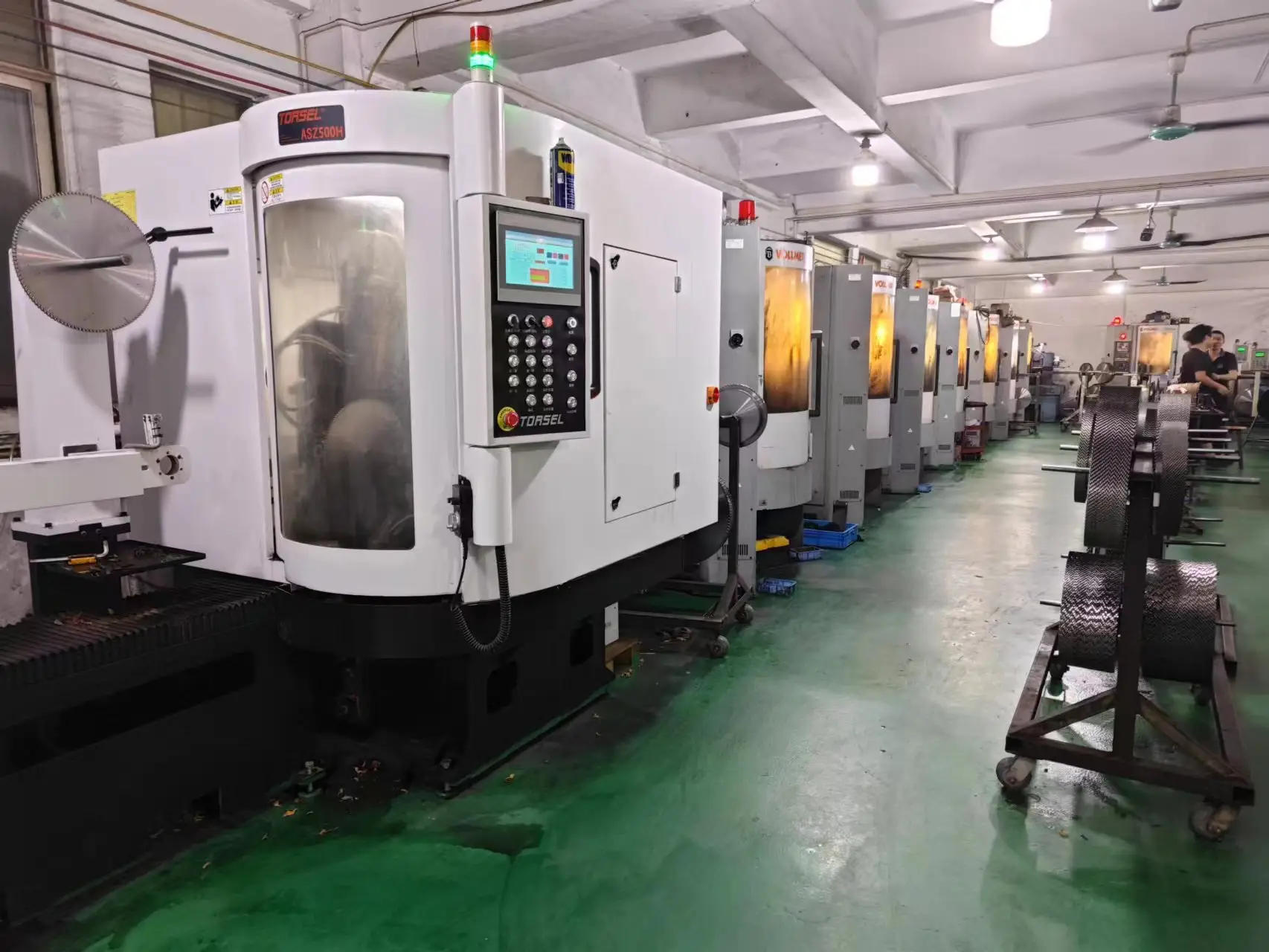
Every Fredsaw aluminum cutting blade is precision-ground on Vollmer CNC equipment for tooth-to-tooth consistency, and dynamically balanced before packaging. Customers who have switched to Fredsaw blades after persistent vibration problems on the same machine and setup consistently report a significant reduction in noise and vibration — with no mechanical changes to the equipment.
If your machine vibrates, check the blade before you call the technician.