In busy solid wood workshops, switching blades between rip cuts and cross cuts often feels like lost time. Many operations default to a generic “combination” blade for both tasks.
While a multi-purpose blade can handle mixed tasks in low volumes, relying on it for production runs quietly inflates your manufacturing costs.
Here is why wood physics demands specialized blade engineering:
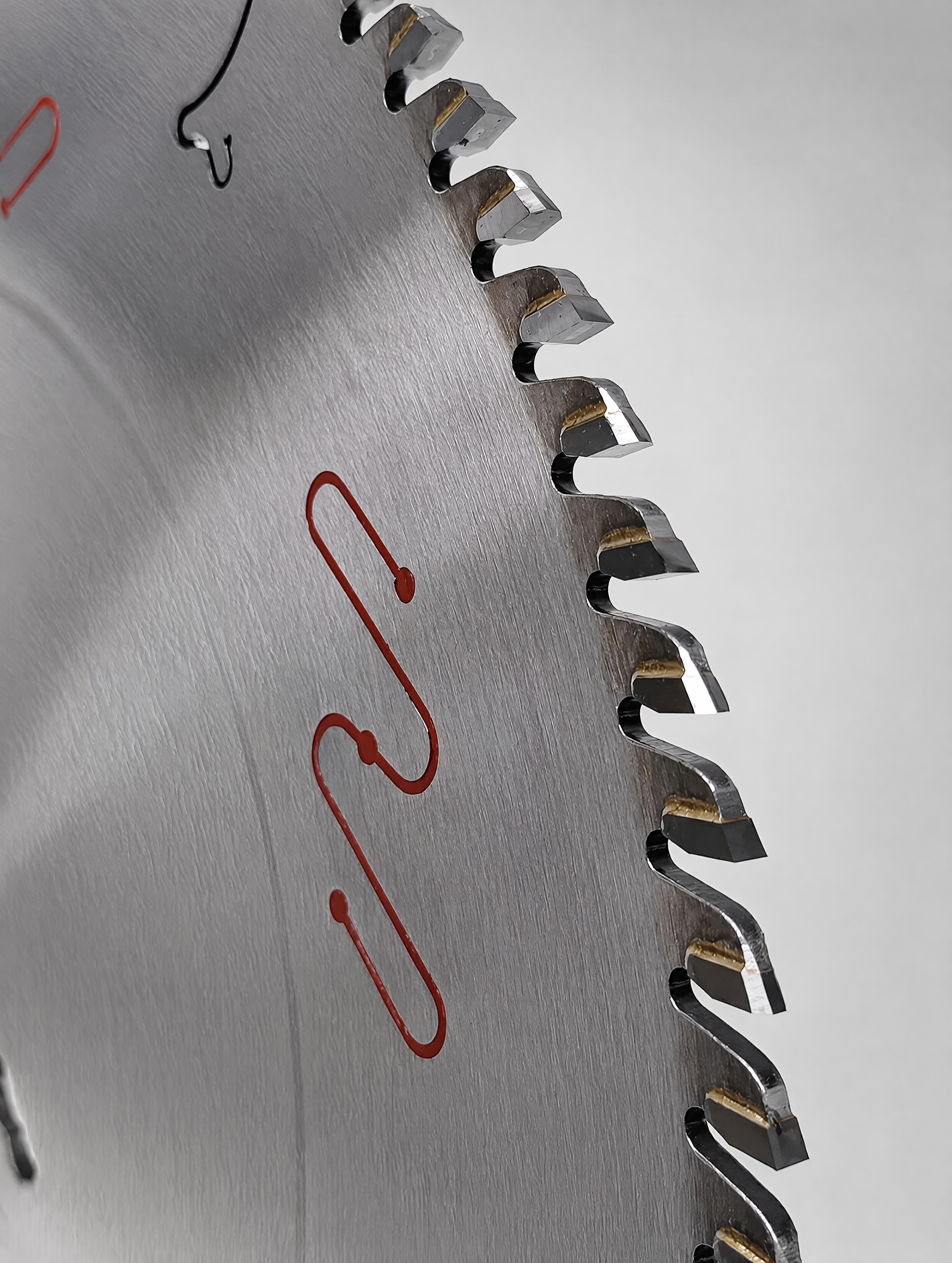
Rip Cutting (along the grain): Cutting along the wood grain acts like planing long fibers. It requires large gullets to clear heavy, stringy shavings rapidly, along with a steep positive hook angle (15° to 20°) to pull the stock smoothly through the cut without motor strain. Using a high-tooth crosscut blade for ripping traps sawdust, generates extreme heat, and burns the wood.
Cross-Cutting (across the grain): Cutting across the grain requires severing wood fibers cleanly like tiny knives. This calls for a higher tooth count, smaller gullets, and an Alternate Top Bevel (ATB) geometry that shears fibers on both sides of the kerf. Ripping with a crosscut blade quickly dulls the sharp points.
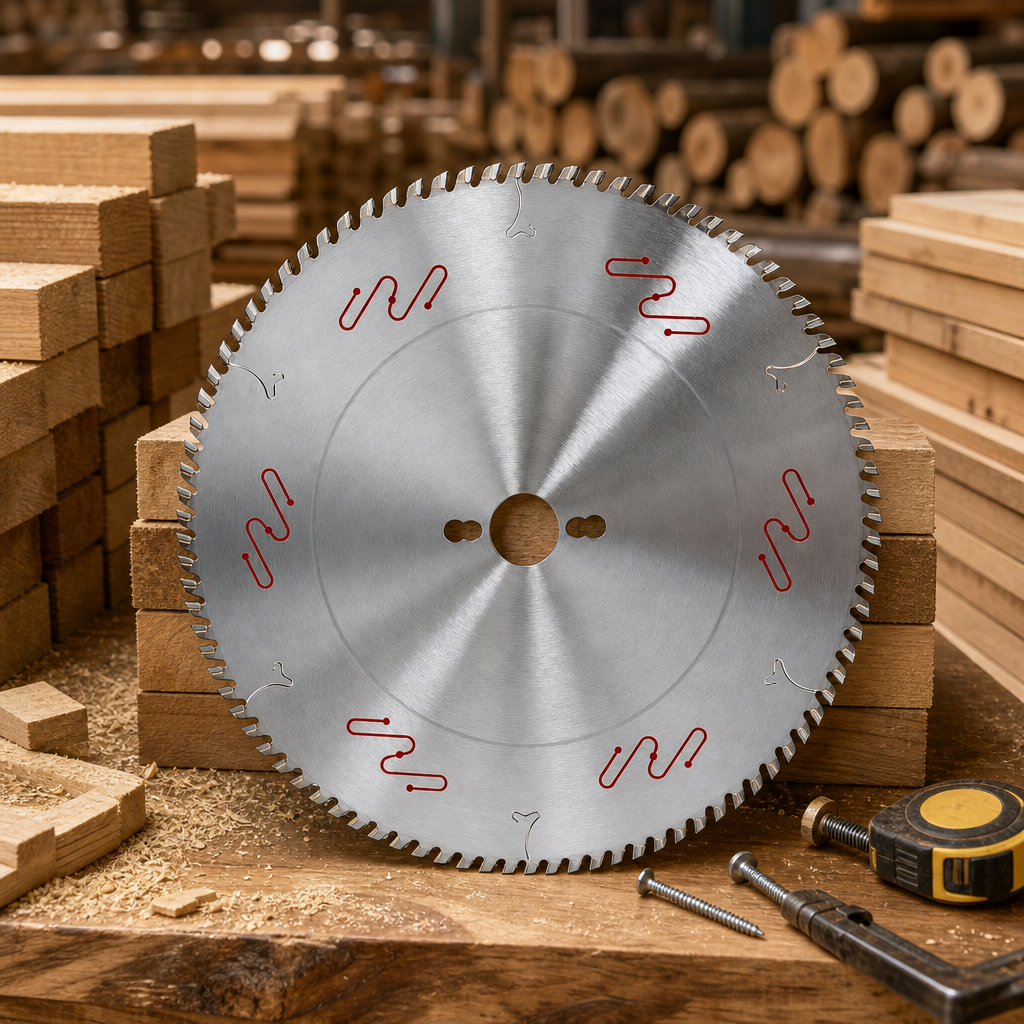
Fredsaw engineers dedicated rip blades and cross-cut blades engineered with application-specific carbide grades and laser-cut expansion slots. By matching the tooth geometry to fiber orientation, fabricators see:
- Cleaner cut faces requiring zero sanding before glue-up
- Up to 40% reduced cutting resistance and lower motor load
- Noticeably longer intervals between resharpening
Stop compromising your finish quality. Talk to Fredsaw about setting up the right blade combination for your shop floor.