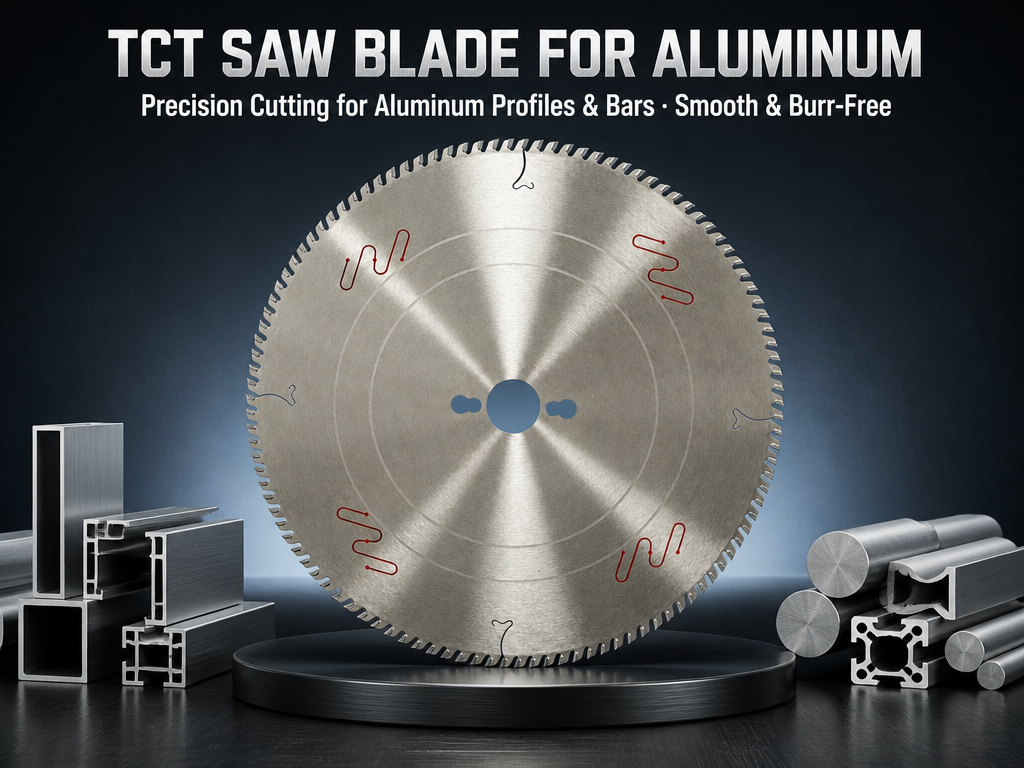
When aluminum extrusions come off the saw with rough edges, the instinct is to adjust the machine — tweak the feed rate, change the coolant, check the clamp. In most cases, the actual source of the problem is the blade.
Aluminum’s high ductility means it tends to weld itself to the cutting face of the tooth under heat and pressure. This phenomenon — known as built-up edge (BUE) — changes the effective cutting geometry mid-run. What was designed as a clean shear becomes a drag. The result: rough cut surfaces, heavy burring, and operators spending time on deburring work that should never have been necessary.
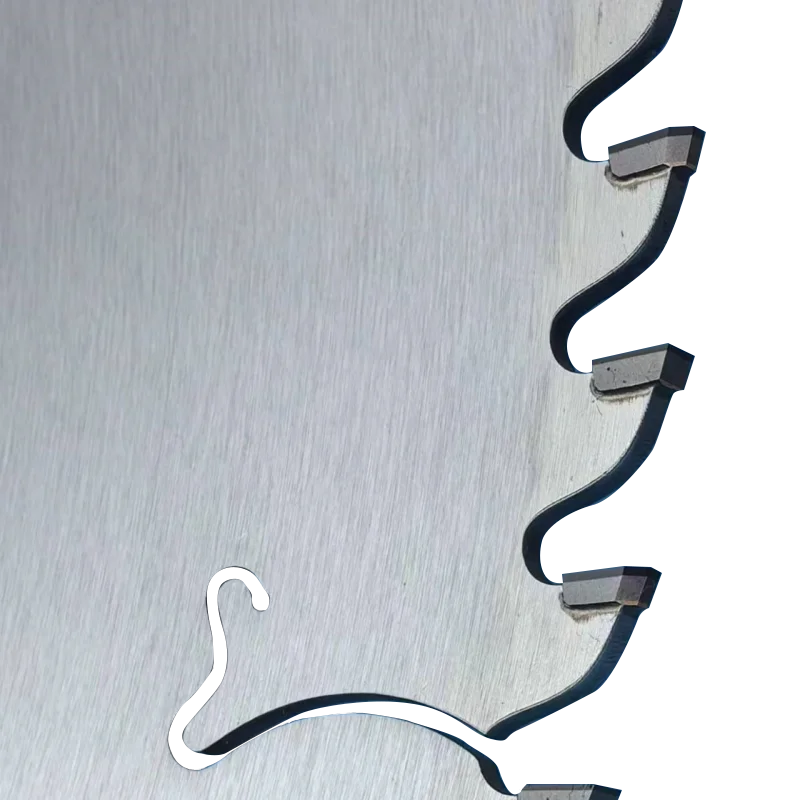
The fix isn’t complicated, but it requires three things working together: positive rake geometry, anti-adhesion ground tooth faces, and a carbide grade matched to aluminum’s specific cutting behavior. Generic carbide blades rarely deliver all three.
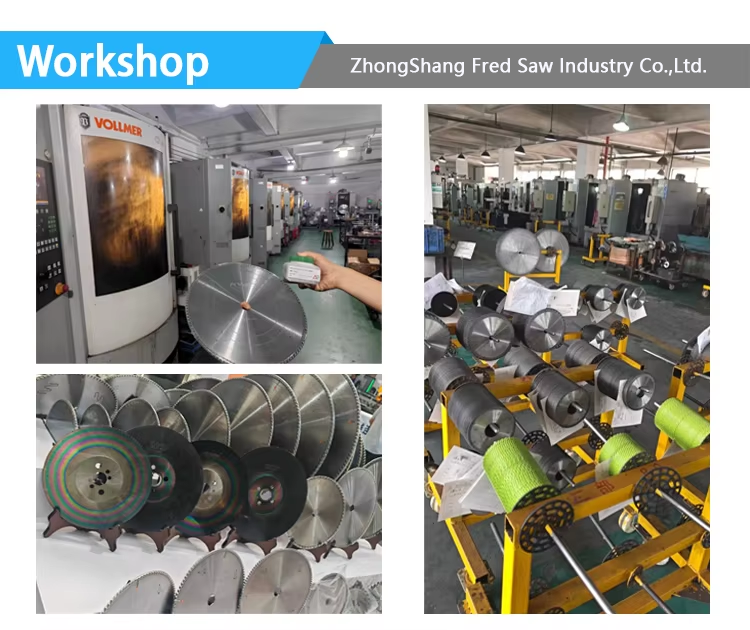
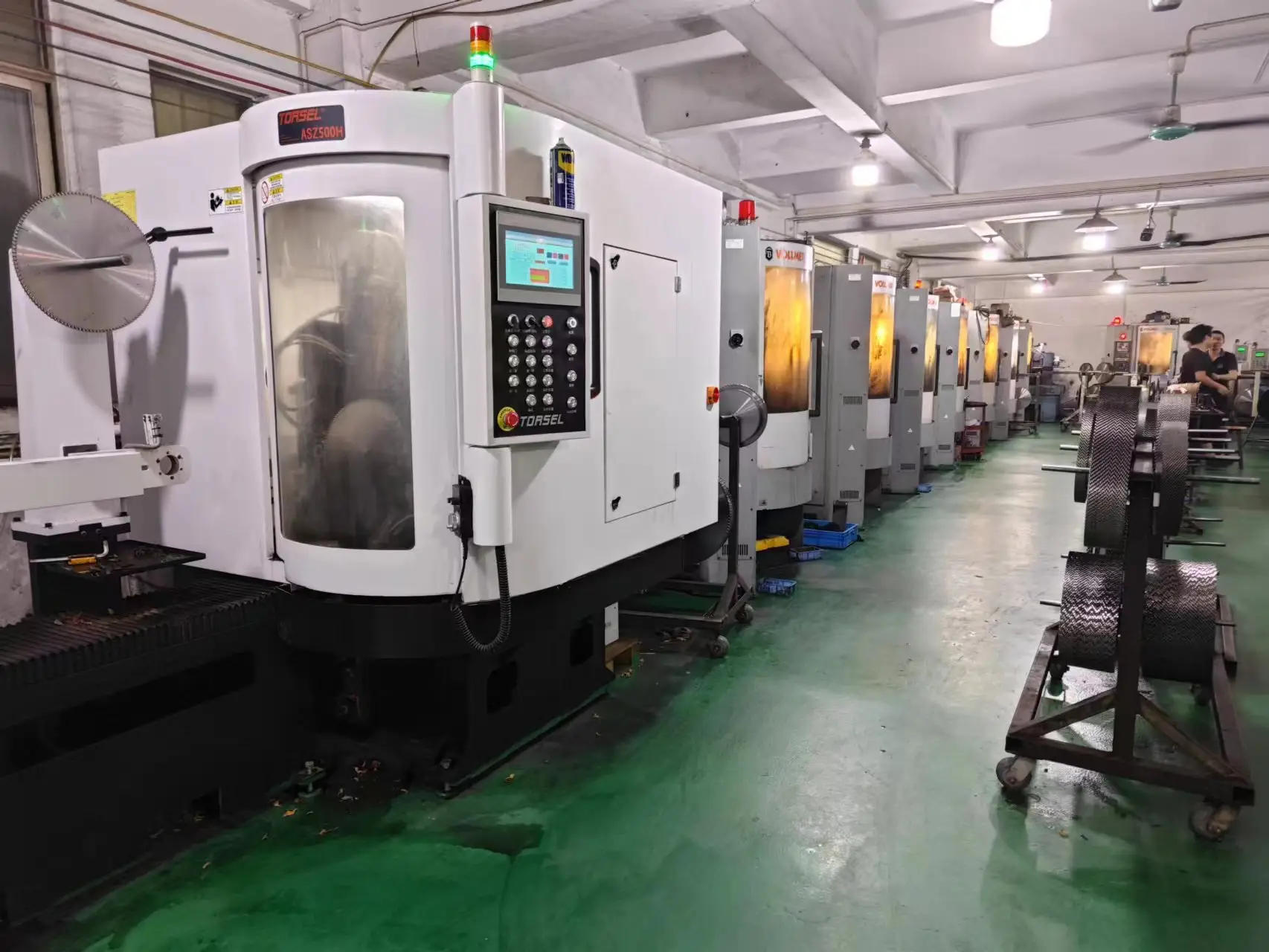
Fredsaw TCT aluminum-cutting blades are engineered around these failure mechanisms. Every blade is finished on German Vollmer CNC grinding machines, ensuring tooth geometry consistency that eliminates unequal load distribution — the other major cause of edge quality variation.
Fabricators running Fredsaw blades on aluminum door and window profiles consistently report near-zero burr on the cut edge, with secondary deburring operations reduced or eliminated entirely.
Blade selection is a one-time investment with long-term returns. Contact us to identify the right specification for your machine and material.